Donate
(212) 741-0515
naap@naap.org
Home
About
About NAAP
A Note from NAAP’s President
Code of Ethics
Cont. Ed
Testimonials
Committees
In The Community
Research
Donate
Members
Login
Find Analyst
Member Institutes
Analysts In Training
Licensure
Insurance Information | Members Only
Find Analyst
Legislation
Updated Child Abuse Requirement
DIAGNOSE PRIVILEGE
“Diagnose and Treat” Expanded Scope of Practice Passed for Licensed Psychoanalysts
Accreditation
Workforce challenges in New York State
Advocate for Workforce challenges in New York State
PsiAN petition
No Surprises Act 2022
Renew
Join
Events
News/Press
Blog
Publications
e-Bulletin
NAAP News
Advertise
Pay For Advertising
Archives
Submit Article
Press Releases
Awards
2025 GRADIVA® AWARD WINNERS
2025 GRADIVA® AWARD NOMINEES
2024 GRADIVA® AWARD WINNERS
2024 GRADIVA® AWARD NOMINEES
2023 GRADIVA® AWARD WINNERS
2023 GRADIVA® AWARD NOMINEES
2022 GRADIVA® AWARD WINNERS
2022 GRADIVA® AWARD NOMINEES
2021 GRADIVA® AWARD WINNERS
2021 GRADIVA® AWARD NOMINEES
2020 GRADIVA® AWARD WINNERS
2020 GRADIVA® AWARD NOMINEES
2019 GRADIVA® AWARD WINNERS
2019 Annual Conference | Gallery
2019 GRADIVA® AWARD NOMINEES
2019 AIT Awards for Student Writing
2018 GRADIVA® AWARD WINNERS
Gradiva Student Paper | by Warren Holt
2018 AIT Awards for Student Writing
AIT Student Papers | by Pamela Buckle, Ph.D.
AIT Student Paper | by Justine Duhr, MFA
AIT Student Papers | by Nan Goldstein, MS
AIT Student Paper | by Bonnie W. Irwin, MA
AIT Student Paper | by Detelina Stoykova, M.A., M.A.
2017 GRADIVA® AWARD WINNERS
2016 Vision Award Winners
Contact
Open Menu
Home
About
About NAAP
A Note from NAAP’s President
Code of Ethics
Cont. Ed
Testimonials
Committees
In The Community
Research
Donate
Members
Login
Find Analyst
Member Institutes
Analysts In Training
Licensure
Insurance Information | Members Only
Find Analyst
Legislation
Updated Child Abuse Requirement
DIAGNOSE PRIVILEGE
“Diagnose and Treat” Expanded Scope of Practice Passed for Licensed Psychoanalysts
Accreditation
Workforce challenges in New York State
Advocate for Workforce challenges in New York State
PsiAN petition
No Surprises Act 2022
Renew
Join
Events
News/Press
Blog
Publications
e-Bulletin
NAAP News
Advertise
Pay For Advertising
Archives
Submit Article
Press Releases
Awards
2025 GRADIVA® AWARD WINNERS
2025 GRADIVA® AWARD NOMINEES
2024 GRADIVA® AWARD WINNERS
2024 GRADIVA® AWARD NOMINEES
2023 GRADIVA® AWARD WINNERS
2023 GRADIVA® AWARD NOMINEES
2022 GRADIVA® AWARD WINNERS
2022 GRADIVA® AWARD NOMINEES
2021 GRADIVA® AWARD WINNERS
2021 GRADIVA® AWARD NOMINEES
2020 GRADIVA® AWARD WINNERS
2020 GRADIVA® AWARD NOMINEES
2019 GRADIVA® AWARD WINNERS
2019 Annual Conference | Gallery
2019 GRADIVA® AWARD NOMINEES
2019 AIT Awards for Student Writing
2018 GRADIVA® AWARD WINNERS
Gradiva Student Paper | by Warren Holt
2018 AIT Awards for Student Writing
AIT Student Papers | by Pamela Buckle, Ph.D.
AIT Student Paper | by Justine Duhr, MFA
AIT Student Papers | by Nan Goldstein, MS
AIT Student Paper | by Bonnie W. Irwin, MA
AIT Student Paper | by Detelina Stoykova, M.A., M.A.
2017 GRADIVA® AWARD WINNERS
2016 Vision Award Winners
Contact
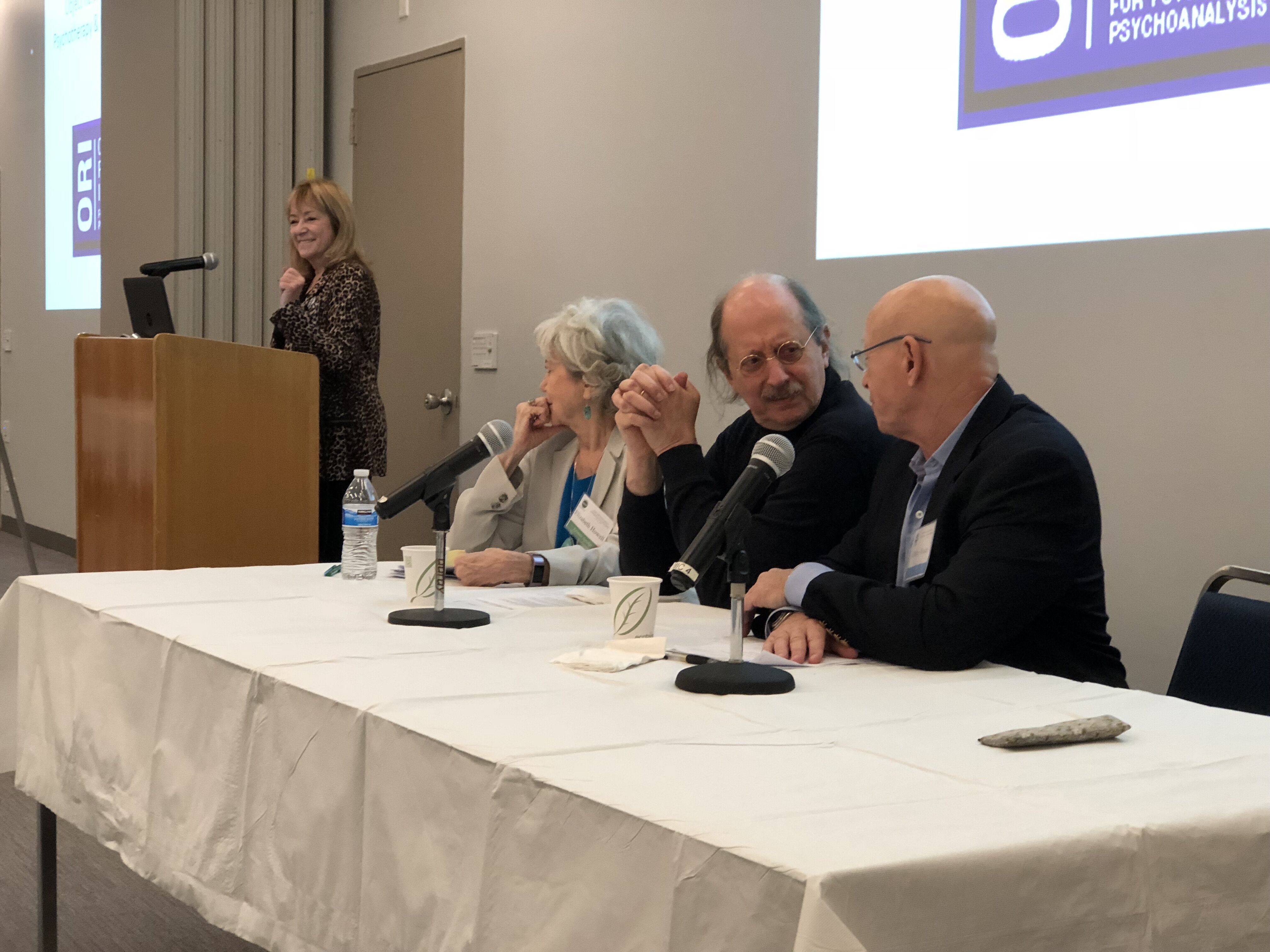
speakers